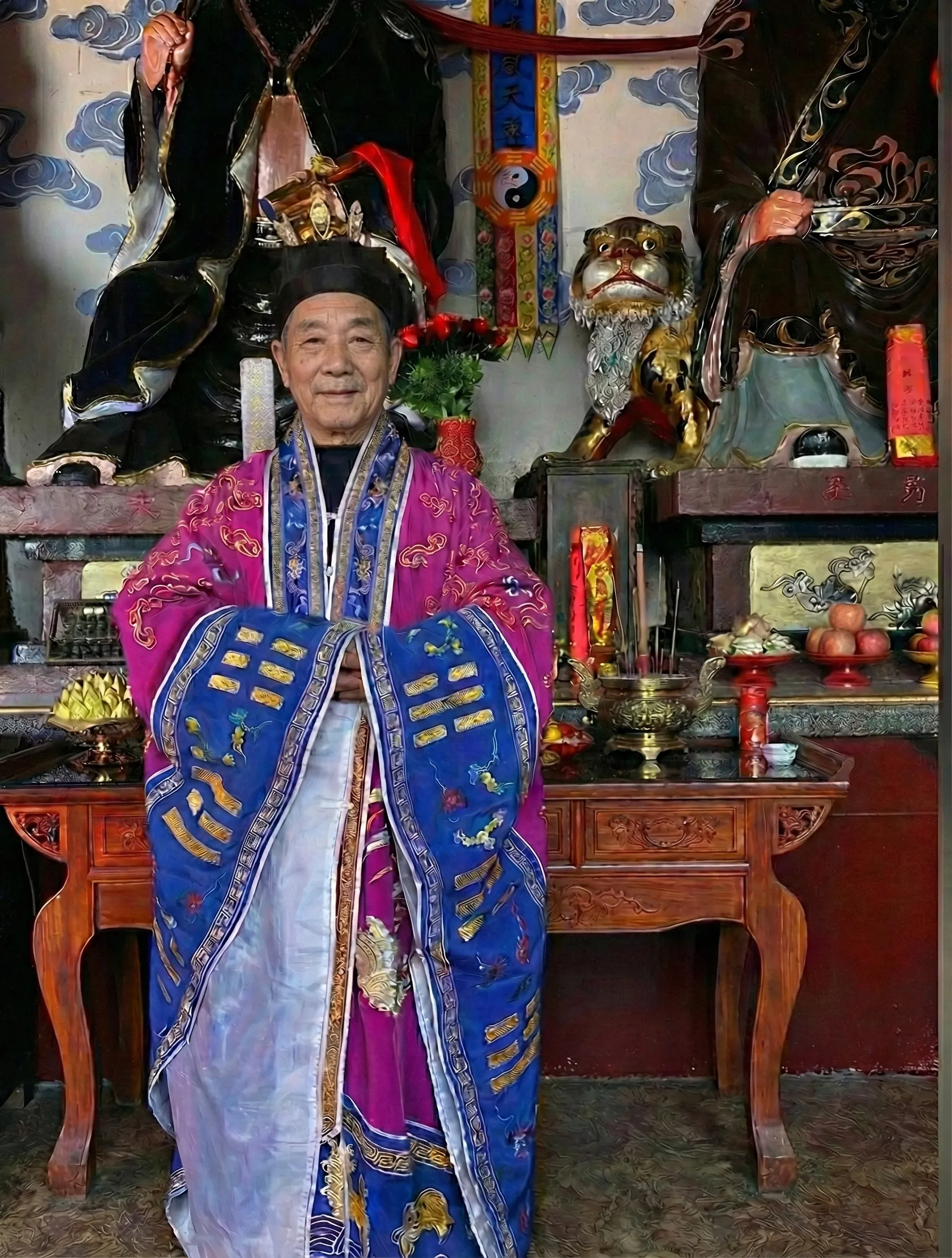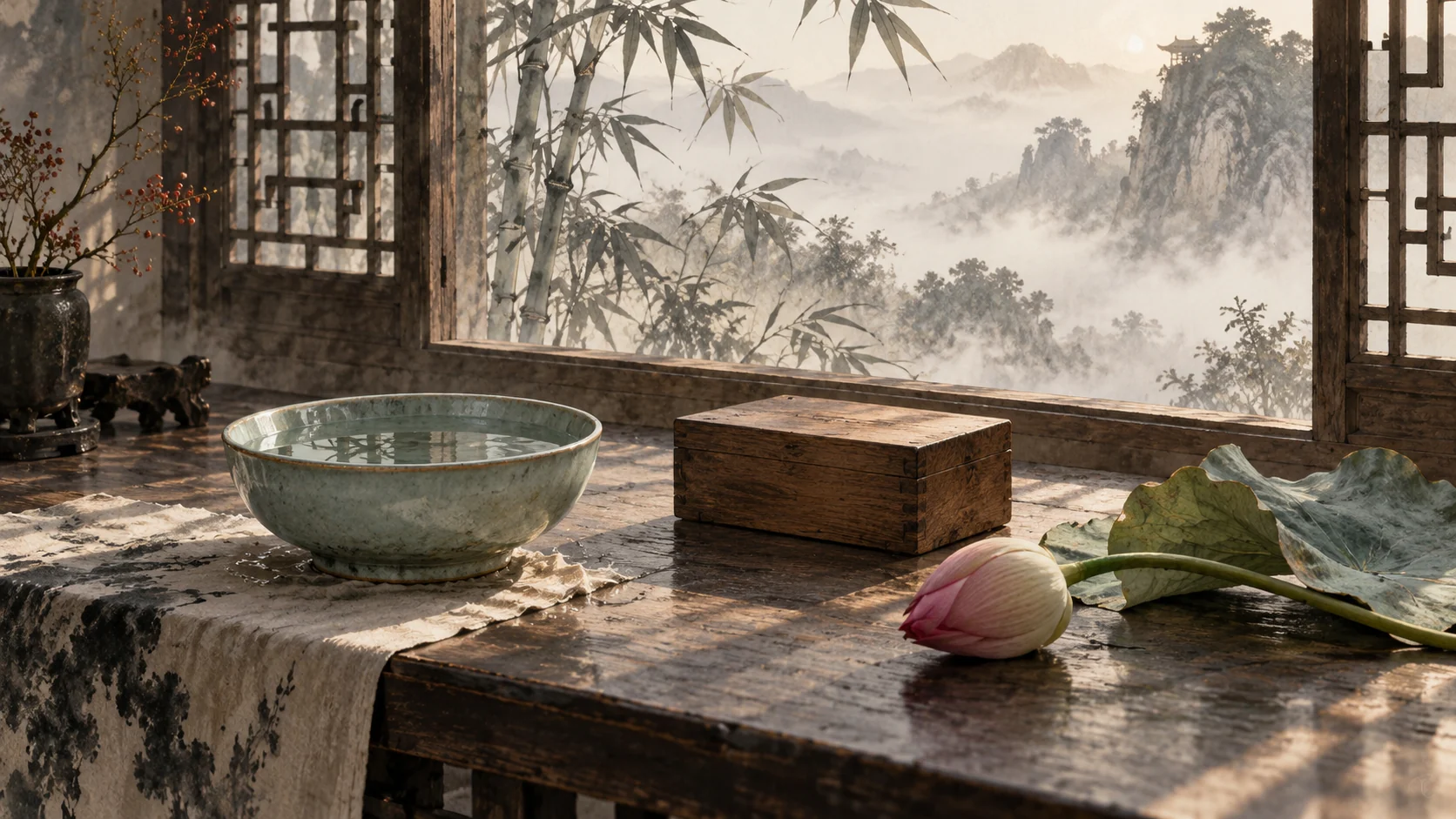
Chapter 67 of the Tao Te Ching presents three treasures that guide Taoist character: compassion, simplicity, and humility. Different translations use slightly different words—compassion may appear as kindness, simplicity as frugality, and humility as not seeking to be first—but the central teaching remains consistent. These virtues help a person act with care while remaining grounded.
They are called treasures because they are valuable in every circumstance. They do not depend on status, wealth, or special knowledge. Anyone can practice them, and each one supports the others.
First Treasure: Compassion
Compassion begins with recognizing that other people experience fear, hope, grief, and uncertainty just as we do. In Taoist practice, compassion is not limited to warm feelings. It becomes visible in conduct: listening before judging, helping without humiliating, and avoiding harm when another path is available.
Compassion also includes the self. Constant self-criticism rarely produces wisdom. A compassionate response acknowledges a mistake, repairs what can be repaired, and learns without turning one failure into a permanent identity.
A daily practice is to pause before reacting and ask, What response reduces unnecessary harm? The answer may be patience, honesty, a firm boundary, or practical help. Compassion is gentle, but it does not require accepting abuse or deception.
Second Treasure: Simplicity
Simplicity is sometimes translated as frugality because it protects us from excess. This applies to money, but it also applies to time, attention, possessions, and speech.
Modern life rewards accumulation. We collect objects, commitments, notifications, and opinions. Simplicity asks whether these additions serve a real purpose. Removing one unnecessary obligation can create more peace than adding another productivity method.
Try a weekly simplicity review:
- Which commitments still reflect my values?
- What am I keeping from habit or fear?
- Where would “enough” be more satisfying than “more”?
Simplicity is not deprivation. It is the freedom that comes from knowing what is sufficient. A simple room can contain beautiful objects. A simple schedule can include ambitious work. The principle is clarity rather than austerity.
Third Treasure: Humility
The third treasure is often expressed as “not daring to be first in the world.” This does not forbid leadership or achievement. It warns against the desire to dominate, claim every success, or place oneself above the whole.
Taoist humility resembles water. Water supports life and seeks low places, yet its patient movement can shape stone. A humble leader pays attention to the people affected by a decision. A humble student remains teachable. A humble expert can say, “I do not know.”
Humility also protects spiritual practice from performance. Symbols, rituals, and knowledge lose their purpose when they become tools for superiority. The Tao cannot be possessed as a badge of rank.
How the Three Treasures Work Together
Compassion without simplicity can become overextension. We may try to solve every problem and eventually lose the strength to help anyone. Simplicity provides limits.
Simplicity without compassion can become cold minimalism. We may value order more than people. Compassion keeps simplicity humane.
Humility allows both virtues to mature. It reminds us that our view is partial, our resources are finite, and our actions take place within a larger web of life.
A Simple Evening Reflection
At the end of the day, consider three questions:
- Where did I respond with compassion?
- What could I simplify tomorrow?
- When did I make space for another person or viewpoint?
The purpose is observation, not self-punishment. Choose one small adjustment for the following day. Taoist cultivation grows through steady attention rather than dramatic declarations.
Treasures That Increase When Shared
Material treasures diminish when divided. Compassion, simplicity, and humility behave differently. Practicing them often encourages the same qualities in others. A calm answer can soften a tense conversation. A modest choice can free resources. A leader who shares credit can strengthen an entire group.
The Three Treasures offer a practical measure for action. When a choice is compassionate, uncluttered, and free from the need to dominate, it is more likely to move in harmony with the Tao.