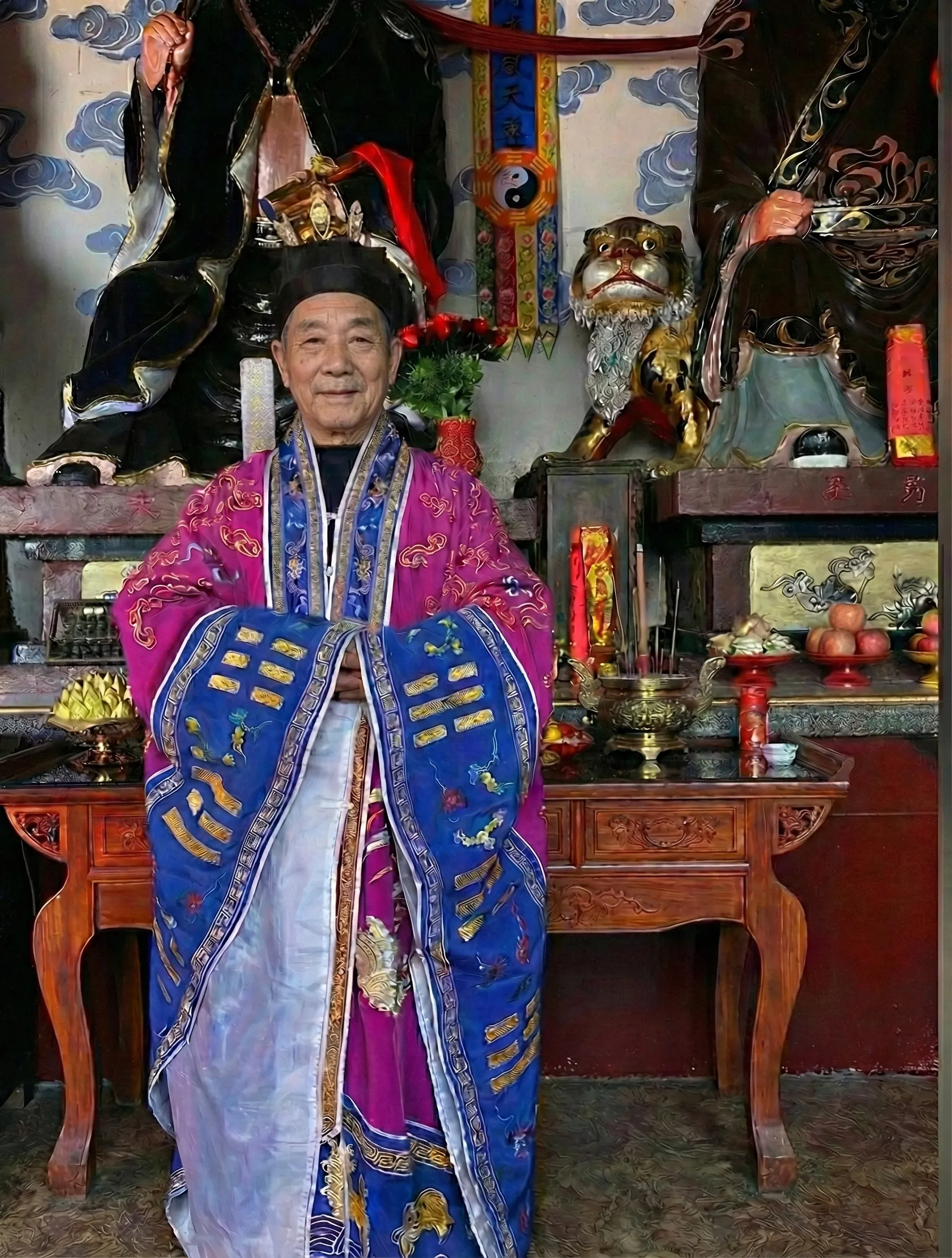
You do not need a temple room or a large home to build a steady contemplative practice. A quiet corner, a clear surface, and a repeatable routine can be enough. The purpose of a Taoist-inspired meditation space is to support attention and simplicity, not to reproduce sacred architecture without context.
Here is a practical approach to creating a Taoist-inspired meditation space in a small apartment while respecting shared rooms, rental rules, and fire safety.
Choose a Place You Can Return To
Look for a corner with the least foot traffic and visual distraction. It might be beside a bedroom window, at the end of a bookshelf, or against a living-room wall. A space you can use regularly is better than a beautiful setup that must be rebuilt every day.
Notice noise, drafts, direct sun, and nearby screens. You do not need perfect silence, but you should be able to sit safely without blocking a doorway or emergency route.
Define the Space Without Filling It
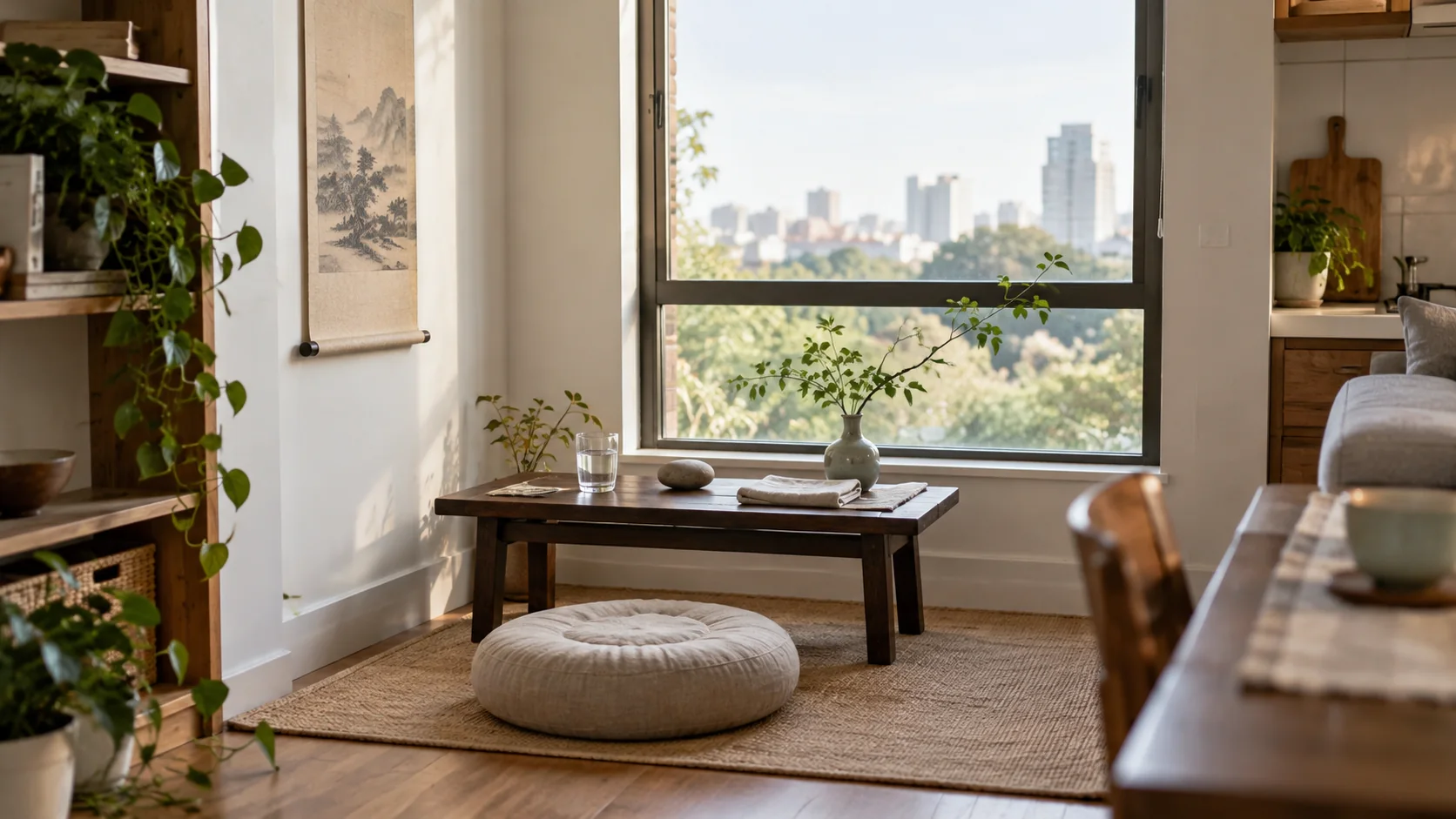
A small mat, folded cloth, or low table can mark the practice area. Keep the footprint compact enough that the room still works normally. In a shared apartment, a folding screen or a box that stores the objects after practice provides privacy without claiming the entire room.
Taoist ideas of simplicity and naturalness can guide the design. Leave some empty space. Avoid buying objects merely to make the corner look spiritual.
Start With a Stable Seat
Choose a cushion, bench, or chair that supports an upright, comfortable posture. If you use a chair, place both feet securely on the floor or on a firm support. Pain is not a requirement for meaningful practice.
Test the position for ten minutes before arranging anything else. Make sure shelves and hanging objects cannot fall into the sitting area.
Use a Simple Surface
A low wood table, wall shelf, or cleared section of a cabinet can hold a cup of clean water, a small stone, flowers, or a text connected to your study. These ordinary objects can prompt attention without pretending to carry a ritual status they do not have.
If you own a lineage-specific image, talisman, statue, or scripture, follow the guidance of your teacher or community about display. Do not combine religious objects randomly for visual effect.
Light, Candles, and Incense
Natural light is ideal when available. A warm electric lamp is safer than a flame in a small room, especially around curtains, pets, and children. Battery candles can create a clear beginning and end to practice without smoke or fire risk.
Incense is optional. Apartment ventilation, smoke alarms, allergies, lease rules, and neighbors all matter. Quiet breathing and attention do not require fragrance.
Keep Colors and Materials Calm
Natural wood, linen, paper, ceramic, and stone can create a grounded atmosphere. Use colors already present in your home rather than imposing a themed palette. A single branch or healthy plant can bring seasonal change, provided it is safe for pets.
Avoid crowding the space with mirrors, crystals, coin strings, and unrelated symbols. Each object should have a clear practical or personal reason for being there.
Create a Portable Version
For a studio apartment or shared bedroom, place a cloth, small cup, reading card, and timer in a lidded box. Set them out in the same order for practice, then store them carefully. Repetition turns an ordinary corner into a reliable cue for stillness.
A portable setup also works when traveling. The continuity comes from your routine, not from the size or cost of the objects.
Build a Ten-Minute Routine
Begin by putting your phone on silent and sitting steadily. Take a moment to notice your breath without forcing it. Let sounds and thoughts pass without chasing them. End by returning the objects to order and carrying that attention into the next activity.
If you follow a formal Taoist method, learn it from a qualified teacher rather than assembling breathing or energy techniques from unrelated videos. Some advanced practices need personal instruction.
Cleaning and Care
Dust the surface regularly and replace water or flowers before they become stale. Keep paper away from sunlight, steam, and open flames. Store valuable or fragile items in archival sleeves when they are not displayed.
Cleaning can be part of the practice: a small, deliberate action that restores order without turning perfection into another source of stress.
Sharing the Space Respectfully
Explain to housemates what the corner means and when you plan to use it. Agree on quiet periods rather than expecting others to understand unspoken rules. If someone does not want religious imagery in a common room, use a portable setup in your private area.
Respect for the people around you belongs in any practice centered on harmony.
What You Actually Need
At minimum, you need a safe place to sit and a few uninterrupted minutes. Everything else is optional. Add an object only when it supports a real habit, carries an understood meaning, or follows trusted instruction.
A small Taoist-inspired meditation space succeeds when it helps you return to calm attention in ordinary life. Its value comes from consistent use, thoughtful care, and simplicity.